
Accidents
Sometimes, things just go wrong. What's important is making sure everything afterwards goes right.
Car accidents are our bread and butter
Hopefully, Jamieson's staff have attended far more car accidents than you've been in, and are more than ready to offer experienced advice on what to do in this situation.
If you've just had an accident on the road, your first consideration should be your own safety. If you can, safely move your car out of the roadway, either to the side of the road or into a nearby off-street parking area. Turn off the engine and turn your hazard lights on.
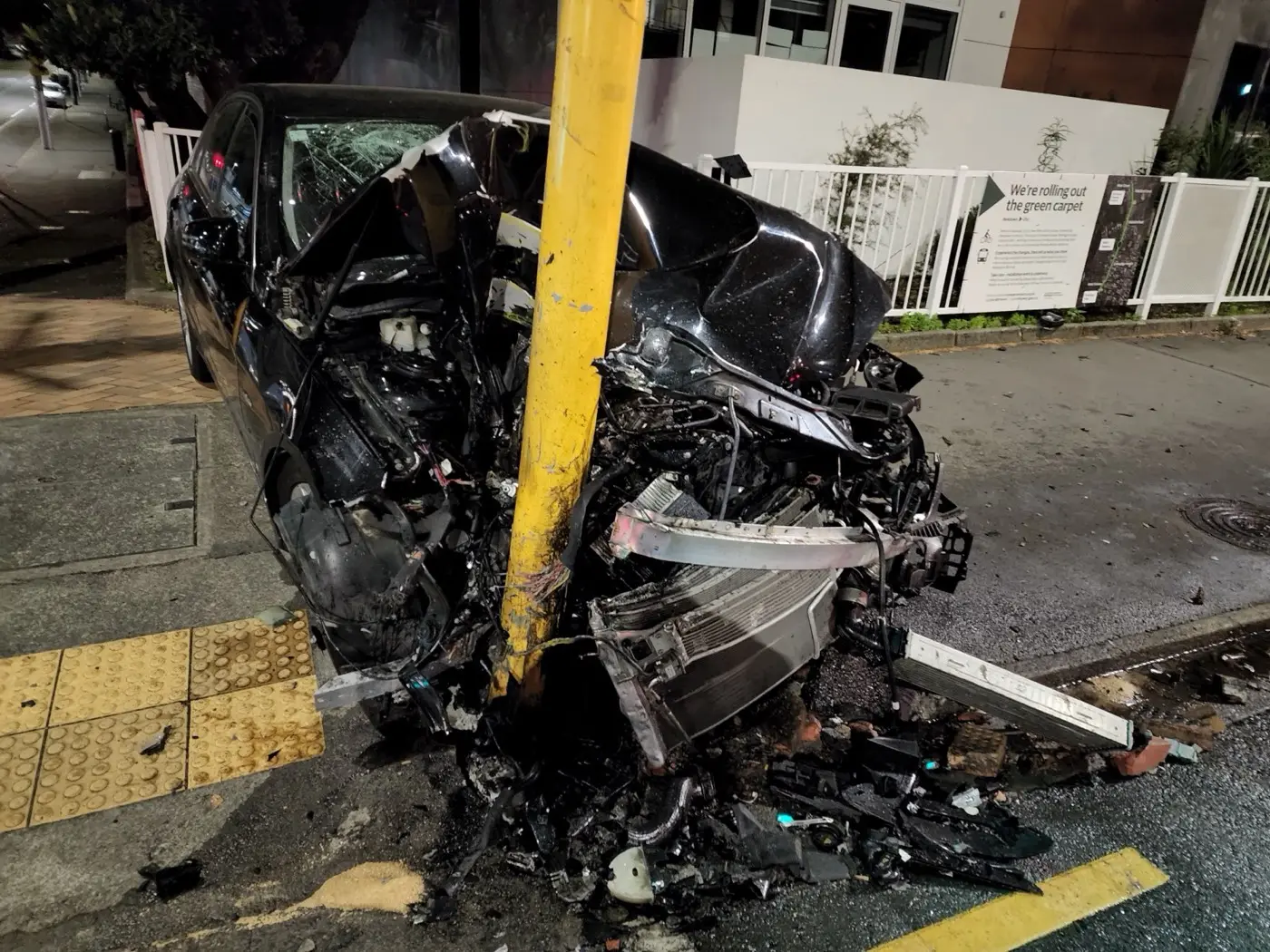
If your car is too heavily damaged to move under its own power, turn on your hazard lights, safely remove yourself from the car, and find a safe place to wait and exchange details with anybody else involved in your accident, along with any witnesses.
If anyone has been injured, call emergency services immediately for ambulance and police assistance. If the crash involved someone else's personal property and you can't get in touch with the owner, you'll need to report the incident to police within 60 hours of the accident.
Take photos of damage to your car, as well as that of any other vehicles involved. It can also be useful to take photographs of the surrounding area, including street signs, traffic signals and the like.
I've got insurance, what happens next?
When deciding what to do with your vehicle, you have two main options.
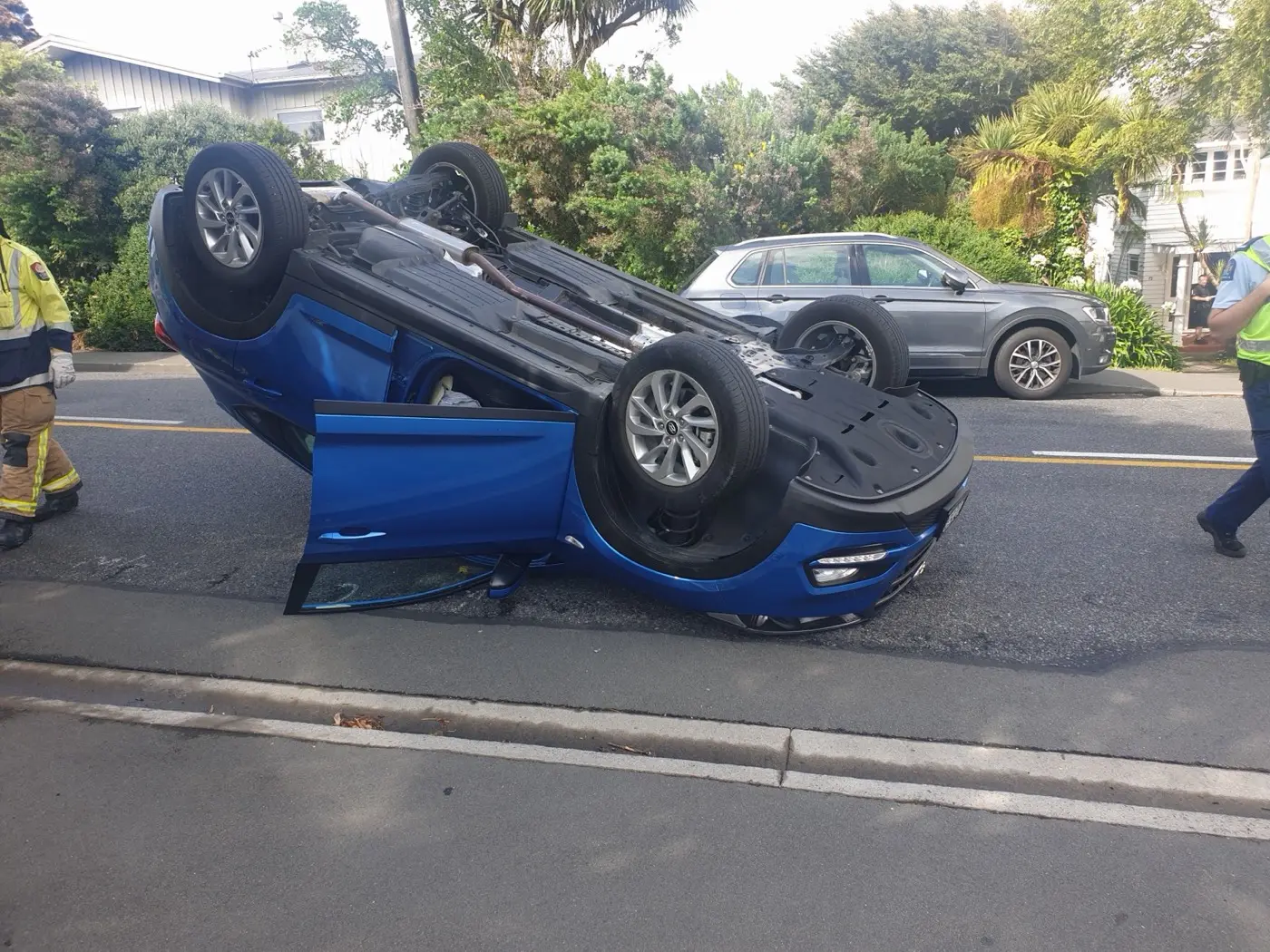
Firstly, you can allow Jamieson's to take your vehicle into our secure storage. Once the vehicle is in our care, you simply need to notify your insurer about the accident and let them know where the vehicle is being held. They will arrange for an assessor to inspect the car and will then provide us with instructions on where to move it next. In this scenario, your insurer covers the costs for the initial tow, any storage fees, and any subsequent tows required for assessment or repairs, so you won't need to pay anything at the time of towing. This is generally the simplest and least stressful option, especially if your vehicle is not in a condition to be driven. It also ensures that your car is kept safe and secure while the claims process is underway.
The second option is to have the vehicle delivered to an address of your choice, whether that's your home, a friend's property, or directly to a repairer you've already arranged to accept it. If you choose this route, you'll need to pay for the tow up-front when the vehicle is picked up. Our driver will provide you with a GST receipt, which you can then submit to your insurer to discuss reimbursement. Keep in mind that if the car is undriveable, it cannot legally be parked on a public road, as it may be ticketed or even flagged as derelict by Wellington City Council.

I'm uninsured, or my insurance does not cover me for this incident, what should I do now?
If you are not at fault, have exchanged details with the at-fault driver, and they have insurance that will cover them for this incident, you are covered by their insurance, and can act in the same way as an insured driver, as described above. We can take the vehicle into storage at our yard, where their insurance can assess the vehicle, and arrange for it to be moved as they see fit. We will bill their insurance company for the total costs of all towing and storage. As with insured drivers, we can also take the vehicle to a nominated address, be it your home or a repairer, but this will incur a tow cost that you will have to pay at the pickup of your vehicle. You will be given a receipt for this, so that you can discuss reimbursement with their insurer.
If you are at fault for your accident, or unsure, it is often best to have the vehicle immediately towed to your home or a repairer you have organised to take your car. While this does result in up-front costs for the tow, it keeps it from getting a storage bill built up against it, on top of the tow costs.
My car's not worth having back, what do I do with it?
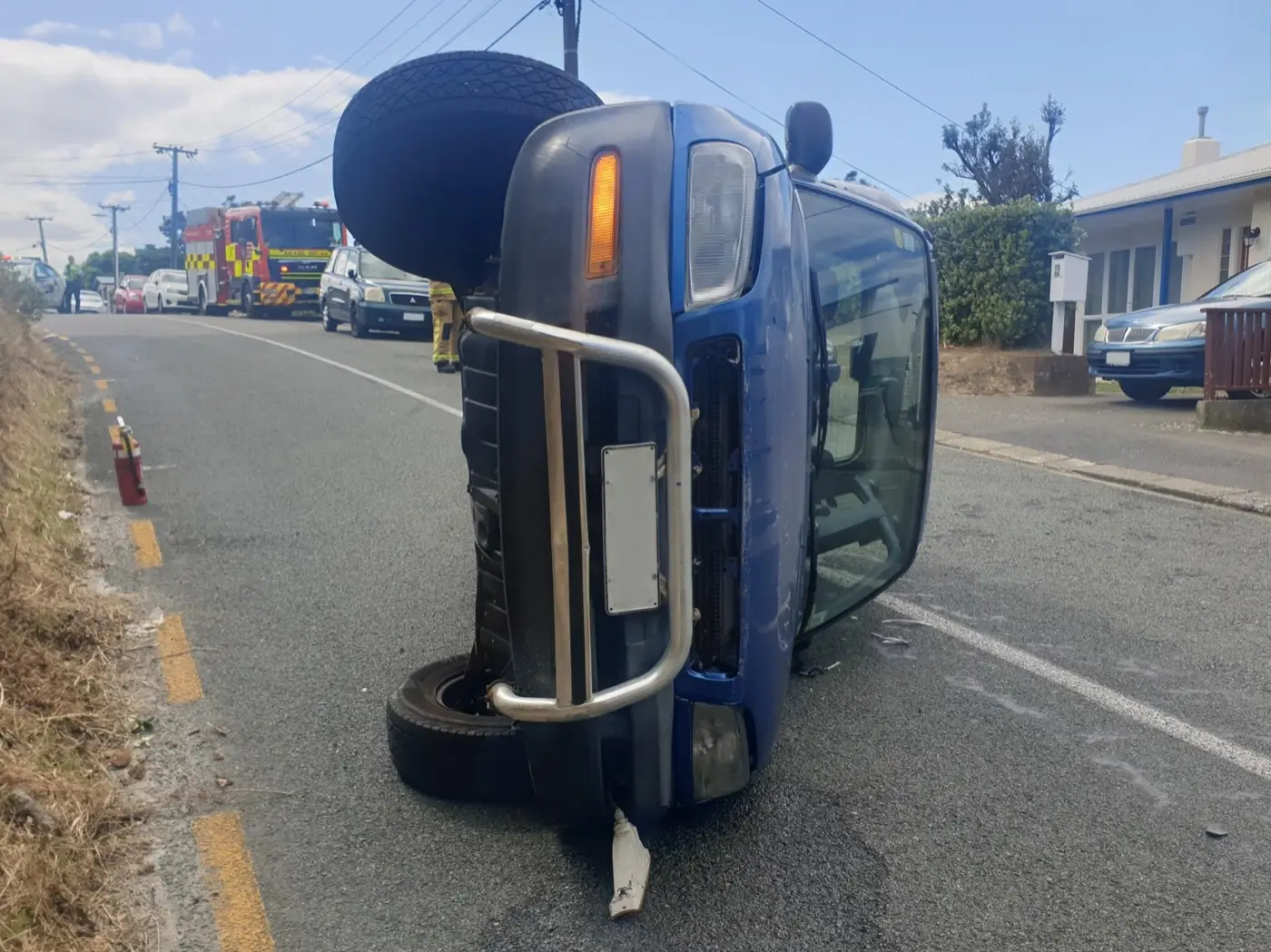
If your vehicle is damaged beyond repair, or repairs would simply be too costly or time consuming to be worth it, you can choose to let us dispose of the car on your behalf. Please keep in mind that there is a daily storage cost associated with us storing your damaged vehicle, should it already have been towed to our yard under Police instruction at the scene.
While this isn't a decision we expect people to make lightly, letting us dispose of your vehicle within a few days of your accident can often mean we recover the tow and storage costs associated with the car from the sale of the wreck, resulting in no bill to you whatsoever. We will make sure to retain your registration plates, so that you may surrender them to de-register the vehicle, and can collect personal items from the car for you and store them until such time as you can collect these from our yard.