
Private Parking
Enforcing parking on private land is a complex topic, and there are some common questions we see repeated.
Is it legal for my car to be towed from private property without my permission?
Yes. New Zealand Common Law (Distress Damage Feasant) and Trespass, and others including the Contractors Liens Act, allow for removal and detainment of an offending vehicle until all costs have been paid. This is recognised by the N.Z. Police, L.T.N.Z, the Transport Services Licensing Act 1998, and the N.Z. Justice Dept. The owner/leaseholder of any private property has the right to request that an unknown vehicle be removed at any time, day or night.
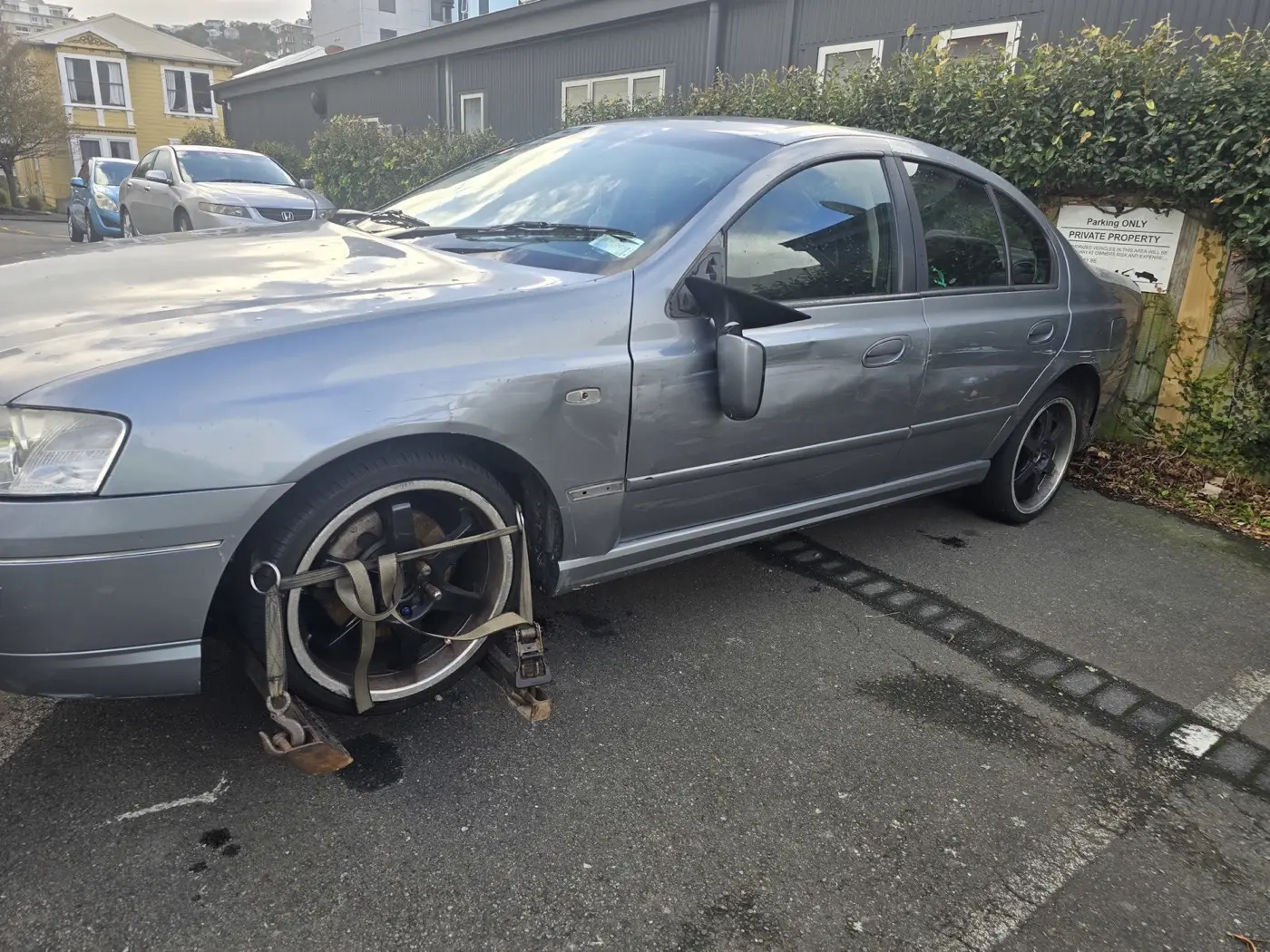
In short, as soon as you drive your vehicle off the street, you are now on private property. If you don't own it, or don't lease it, or have not otherwise been specifically authorised to park there by the landowner or their agent, you are quite possibly illegally parked, and could potentially have your vehicle removed by a tow company.
All tow companies must comply with current Government legislation and law. We are strictly monitored by the Transport Services Licensing Act 1998, L.T.N.Z. and N.Z. Police/C.I.V.U.
How can you tell if my parking isn't authorised?
Frankly, we can't, but there are a number of people who can, such as the owner of the property you are parked on. We don't remove cars from carparks and properties without a specific request for a specific vehicle from somebody legally authorised to remove vehicles from the property.
If we have towed you, it's on their say so.
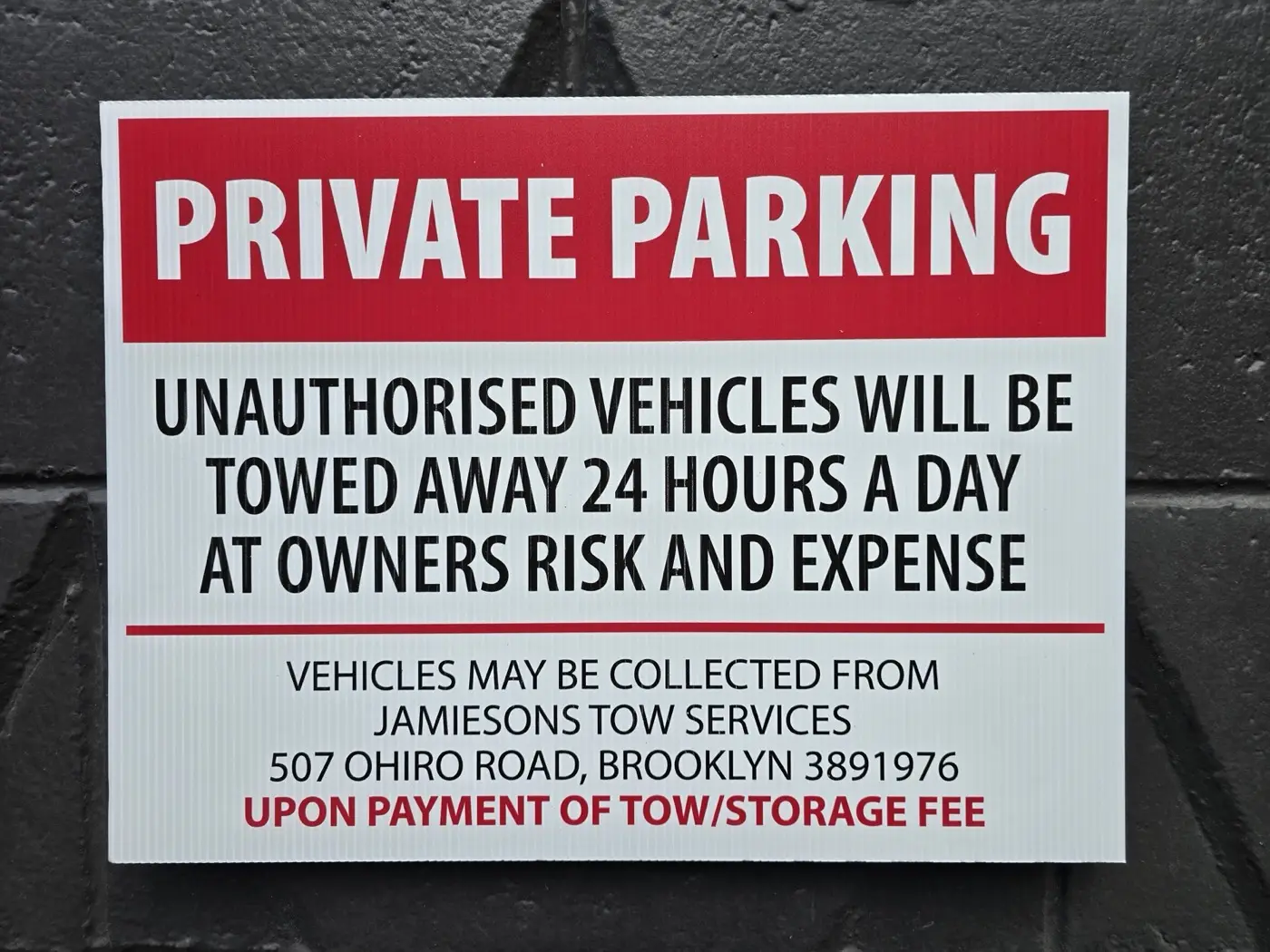
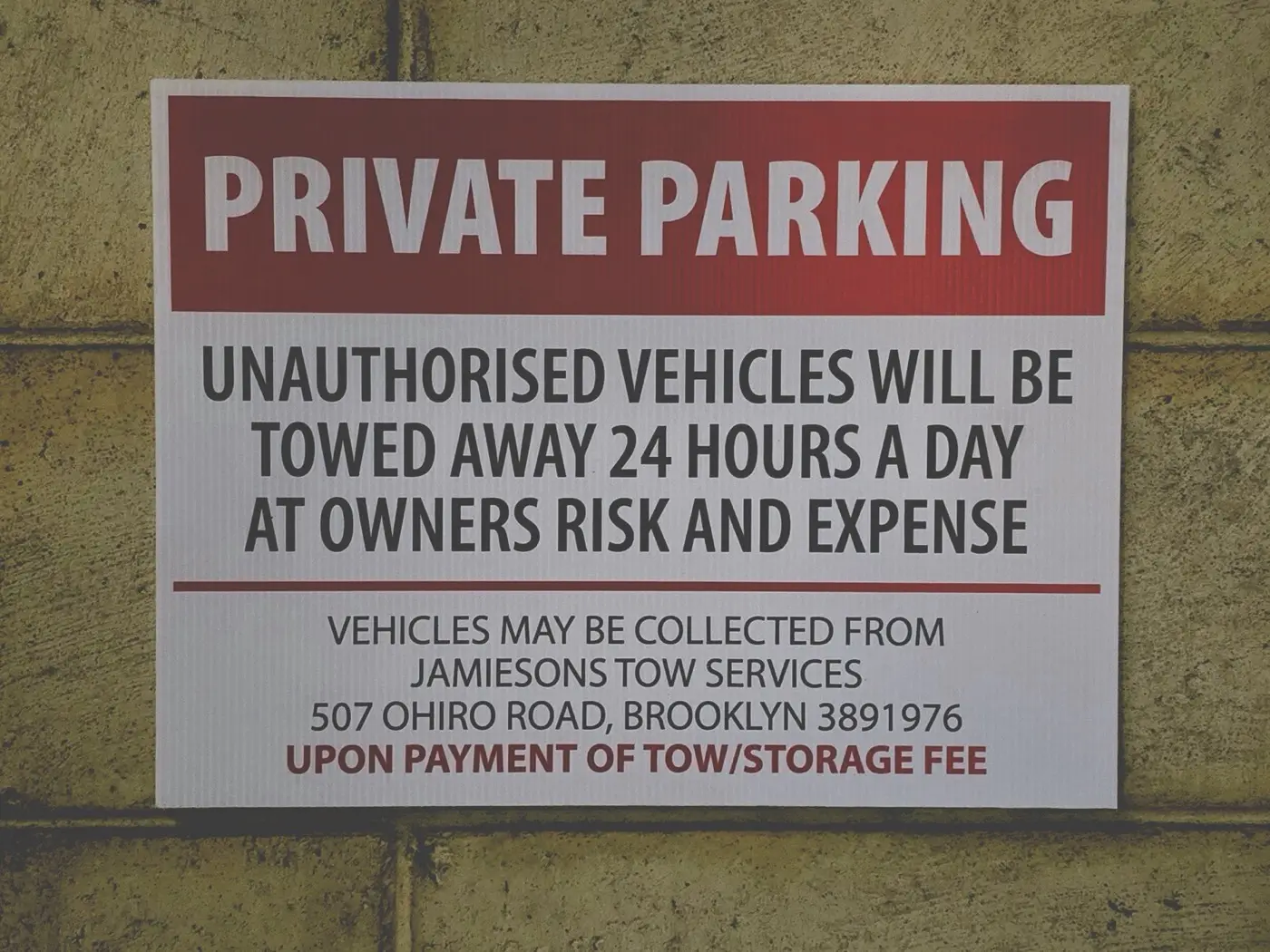
Many locations also have direct warning signs, such as Towaway Zone signs, No Parking signs, Private Parking signs and the like. If you see something along these lines, be certain that you have authorisation to park a car there before taking up a space.
Is there a difference between a private tow and a Police or City Council tow?
Absolutely. Police and City Council tows are governed by acts of parliament - laws that give both Parking Wardens and Police Officers specific rules to follow when issuing infringements. Police and City Council tows also have the added ability to issue tickets, which means you are given leeway with time to pay. Their fees are set by the Government in legislation, meaning that the fees only change through a legislation change.
Private towing is done in conjunction with common law, the Transport Services Licensing Act 1989 and its amendments. Towing companies are also unable to issue tickets, which means that when you wish to collect your vehicle, you will need to pay the towing fee upfront before it is released to you. If you cannot pay, your vehicle will not be released, which may leave you liable for storage fees on top of the initial towing fee.
How can I pay for my car?
Despite what you will read, towing companies are only legally obliged to accept cash, but most towing companies will probably accept more forms of payment than any other business. We accept:
- Cash
- EFTPOS
- Most major credit cards or debit cards
- Afterpay (both at the yard and in our trucks)
- WINZ orders

What if I can't afford the tow fee?
If you're unable to retrieve your vehicle for any reason, the best thing to do is contact us.
Without payment, your vehicle must stay in our yard, which will incur storage fees on top of the initial tow fee. Depending on your situation, we may be able to reduce these, but it's imperative that you reach out early.
If we don't hear from you regarding collecting your vehicle, provisions are made within the law for the towing company to dispose of it after a holding period of 21 days. You will still be liable for any outstanding debt to the tow company if the sale of the vehicle doesn't cover the costs owing at time of sale. These debts may be referred to a debt collection agency at our discretion.

Doesn't there have to be a warning sign up so that you can tow me?
No.
When a property is privately owned, there is no law dictating that the owner must display signage on it. If a property has signs up indicating reserved parking, or other such restrictions, they are doing it as a courtesy.
Put simply, if you are on the road, you are on Wellington City Council property, and illegal parking here is managed by City Council Parking Services. See here for more information about how these tows are managed.
If you drive off the road, you are on private property, and it belongs to someone. Towing from these areas is handled privately, resulting in a different process to WCC tows. See here for more information about how private tows are handled.
Please be aware that WCC treats some of their parking areas, usually those with paid reserved parking, as private land when it comes to having vehicles removed. Be careful to check all signage when parking in a WCC-controlled area.
Similarly, many private parking companies now use meters and machines very similar to the equipment WCC uses. Once again, we encourage people to be mindful of any signage or restrictions near the area they have chosen to park their car.
Are you allowed to charge that much? How come breakdowns are so much less expensive than illegal parking fees?
Common law allows a fee to be charged for towing, and the Disputes Tribunal has accepted current fee structures numerous times. While it is commonly thought that towing cars is an 'easy' job and we shouldn't charge so much, it is in fact a dangerous and high-risk position of extreme responsibility. Our operators are well aware that they are relocating vehicles worth many thousands of dollars, and work hard to make sure that they are doing so with the care required to protect your assets as best they can. They also deal with people who let their tempers get the best of them, and this too is a risk of the job. Our charges reflect the time each job takes, the skill level required, the danger of the role, the value of both equipment and customer vehicles, and the training required to do this job competently. Commercial advice tells us that these fees are actually far too low, and well below recognised market costs.
Breakdown tows are a much lower risk for our team as we are called on for help by the owner of the car. They are usually present and are wanting us to move their stranded vehicle. This makes for a far less stressful job on the part of our driver. Breakdowns usually mean our drivers have access to keys along with the owner's knowledge of their vehicle, which also helps to keep costs and the risk of damage to vehicles down. Broken down vehicles are also usually towed straight from one site to another. They are not usually brought to our storage yard, where we are required to keep them safely in our care.

I came back to my car while it was being towed, and it looks like your driver broke into my car! Can they do that?
The driver is allowed to enter your vehicle to ensure that handbrakes are disengaged, vehicles are in an appropriate gear, and/or steering wheels are locked as required. Drivers are not allowed to search through your vehicle for incorrectly displayed permits, or go through personal property within the vehicle, outside of making the vehicle ready for travel, and preventing damage to it.
As part of licensing requirements to become a tow truck driver, our staff must undergo an extremely stringent series of checks, including being issued with a Police Clearance. It is understood by VTNZ, who issue their licences, and the Police, who vet our people, that our drivers are required to open your vehicle to make it safe to tow, and prevent damage to your vehicle. It is imperative that only the most trustworthy people are given this right.
If you come back to find your car being towed, please get our driver's attention as soon as possible. They aren't going to rush through finishing loading your car in an attempt to get away before you speak with them, if they are aware that you are present.
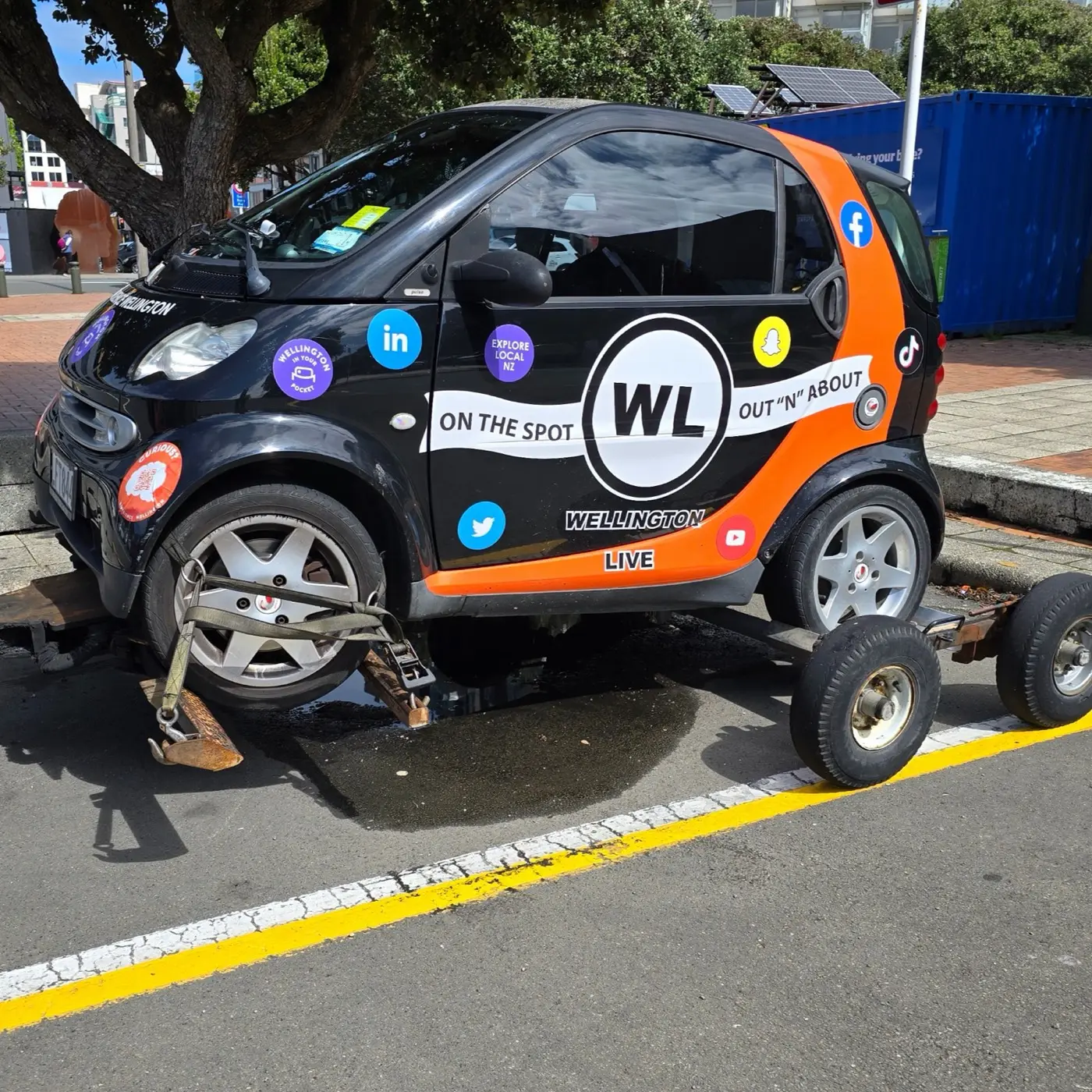
Legally, once the truck has backed up to your car and has the cradle on the wheels (even if not lifted yet) then the car has been impounded by the tow company and you are liable for the tow fee. Jamieson's will frequently not charge the entire towing fee (as if it went to the yard) but will charge a much more reasonable call-out fee for the work done so far. Paying the smaller fee means our driver can leave the vehicle where it is, so that you can relocate it yourself.
Frequently people refuse to believe that this is legal and they will go to great lengths to avoid paying the towage fee. Our drivers are instructed to call the Police immediately should there be any issue with a customer or their vehicle, so please do not be alarmed if we do. Similarly, if you feel one of our drivers has acted illegally, we encourage you to contact the Police yourself. We are always happy for them to help resolve any issues between vehicle owners and our drivers.
My car has been towed, and it has been damaged in the process! Some of my personal items are missing! I want to complain, who do I talk to?
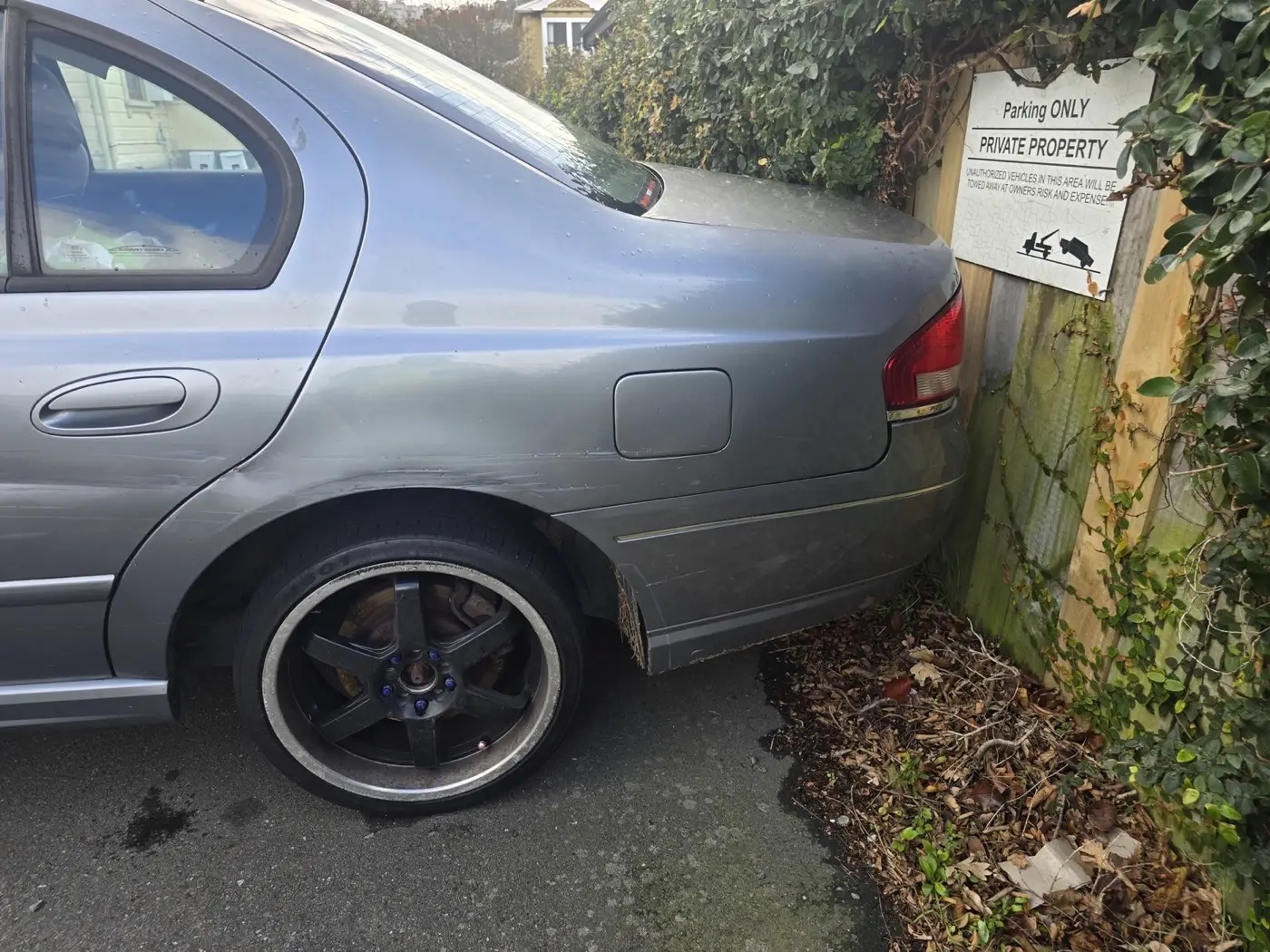
Firstly, talk to us. Legally, any damage caused by the towing company, or any loss from the vehicle whilst in the towing company's care, is the responsibility of the towing company. Genuine complaints will always be addressed fairly by Jamieson's.
Please feel free to ask our drivers to demonstrate how they have picked up or otherwise worked on your vehicle. They will always be more than happy to oblige and give you peace of mind about any damage you may think we have caused.
You will be required to show proof of the damage and how it occurred. Similarly, you will need to prove that items deemed missing were in your vehicle at the time of towing. Jamieson's have security cameras operating 24/7 for the protection of our business and your assets.
If you have your own insurance, we highly recommend discussing any damage claim with them. They will assess the damage, assess your proof of the cause of any damage, and seek to rectify it as needed, including recovering their expenses from us through the Disputes Tribunal when it is appropriate to do so.
Similarly, any uninsured owner can apply for a Disputes Tribunal hearing to rectify damages to a vehicle. We will be more than happy to attend a hearing if called to one.
If you have a problem that you cannot resolve by talking to us, then you have other options. Depending on your specific situation, you can contact officials at NZ Police, Waka Kotahi NZTA, the Ministry of Transport, or talk to your local Citizens Advice Bureau for legal advice.